
How It Works

Buildings are designed to withstand specific loads, but extreme events such as earthquakes or gradual degradation over time can push them beyond their limits. Our system continuously monitors structural performance, helping engineers detect anomalies and providing alerts about potential issues before they become critical.

1

Sensors are Installed in a Building

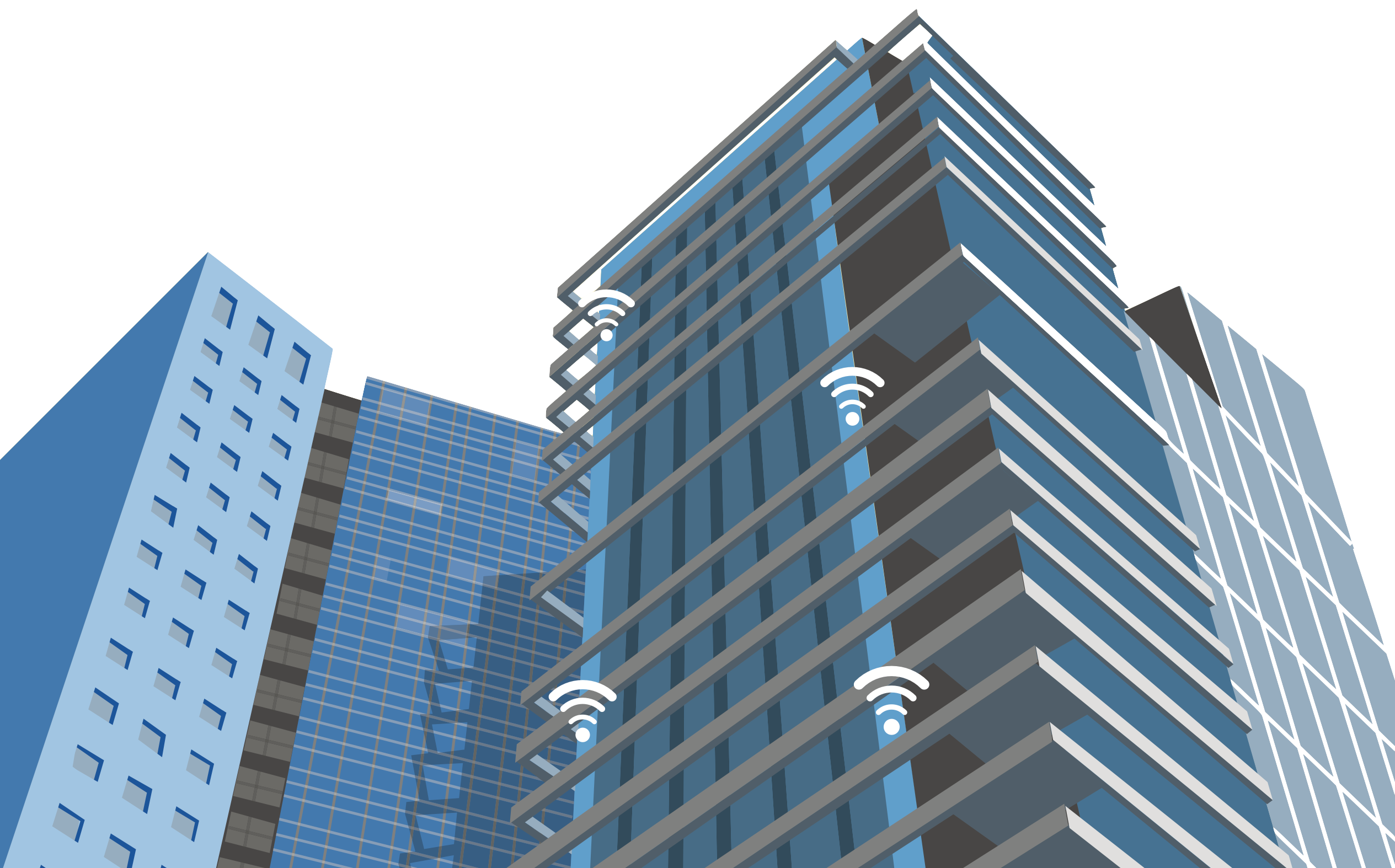
Our SeismicDataSensors™ are strategically placed throughout the building to capture precise measurements of vibrations and movement.

2

An Earthquake Occurs

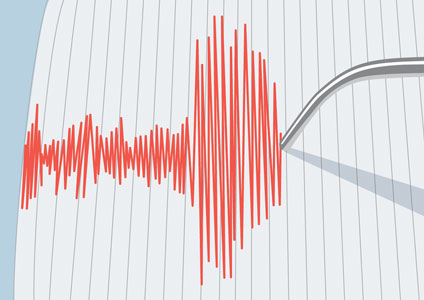
As shaking begins, sensors capture tri-axial acceleration at a high sample rate and immediately transmit the data to the cloud for processing.

The event is verified against authoritative earthquake data providers such as USGS and GeoNet. Events not confirmed as earthquakes are also recorded and uploaded for further analysis.

3

Data is Processed and Alerts Sent Out

Data is automatically processed in the cloud, reports are generated, and email alerts are sent out within minutes.

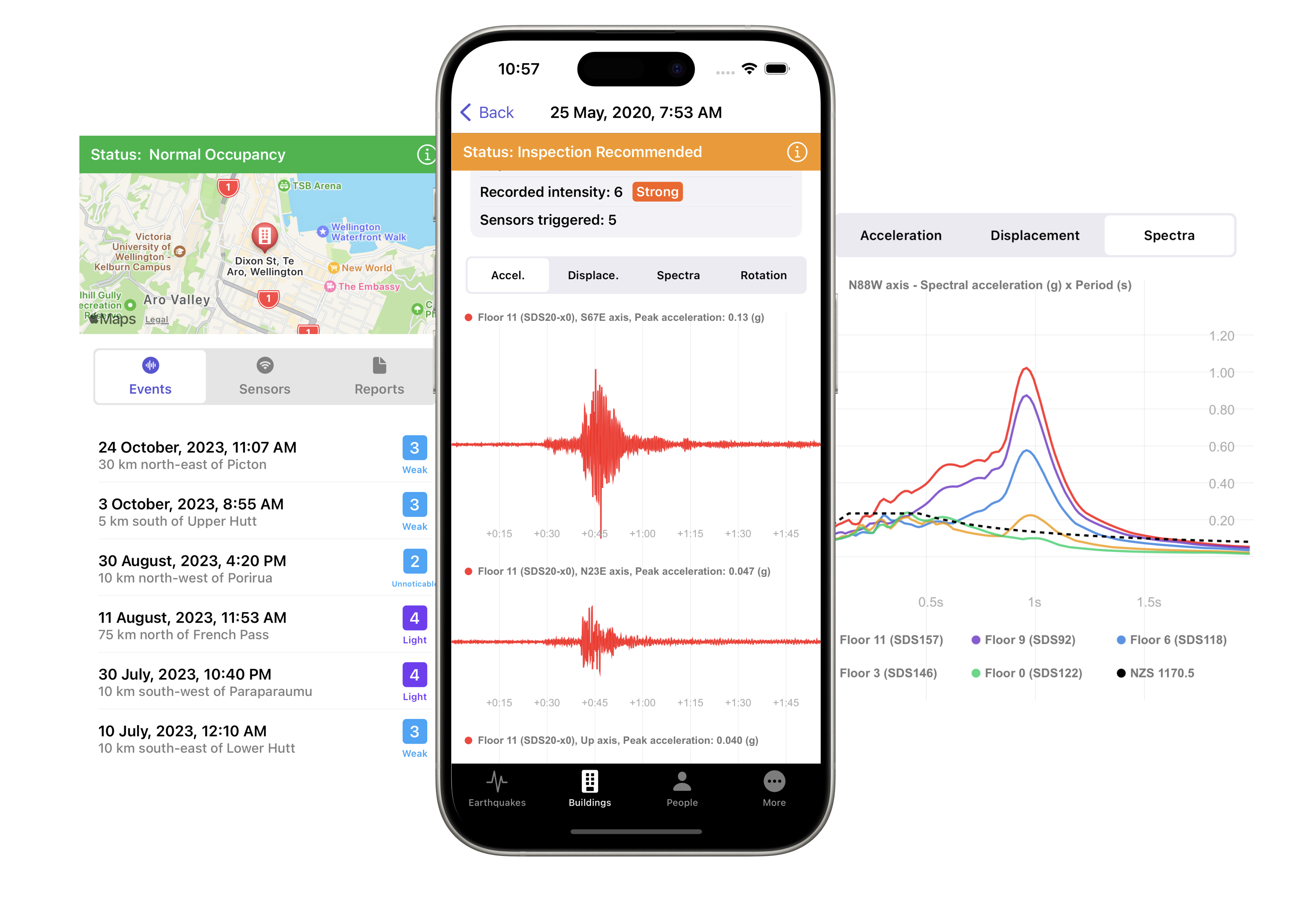
During the quake, if a sensor records an acceleration that exceeds its threshold (set by the engineer), the building's status will change from Normal Occupancy to Inspection Recommended. This means there was significant shaking to warrant an engineer inspection.

Normal Occupancy

Inspection Recommended

Service Personnel Only

Entry Prohibited

When this occurs, engineers do a desktop or on-site assessment, and either change status back to Normal Occupancy or another restricted access.

4

Engineer Inspection and Analysis

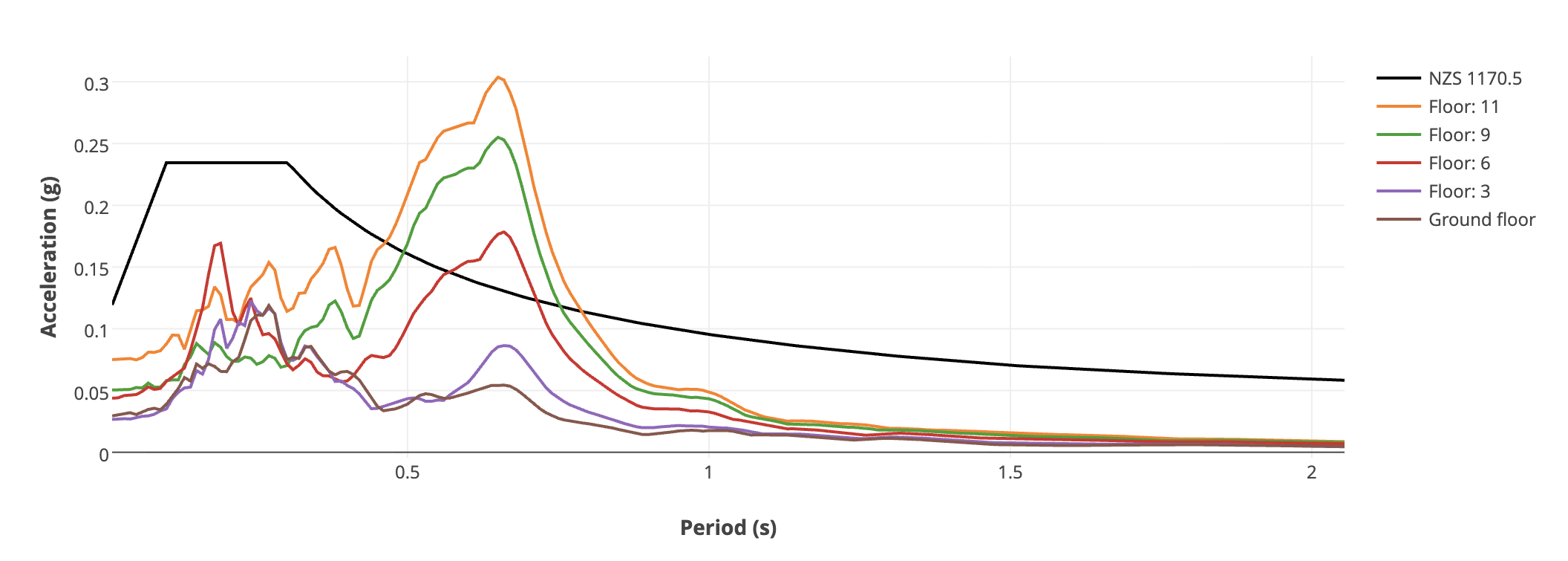
Engineers access detailed dashboards and event summaries presenting measured structural response, including accelerations, inter-storey displacement, and response spectra. These tools assist rapid post-event assessment, allowing data-driven decisions on building safety, inspections, and operational continuity.

How Global Seismic Data Works for You

Building Owners & Property Managers
Engineers
Government & Councils

For Building Owners & Property Managers

After an earthquake, delays and guesswork can lead to unnecessary closures, financial loss, and stress for tenants. Our Structural Health Monitoring System (SHMS) gives building owners and property managers fast, reliable data and reports into how their buildings have performed, helping protect people, meet Health & Safety obligations, and reduce downtime.

After an event, each monitored building receives an easy-to-understand status based on measured building movement and engineer review. With immediate access to clear performance data, inspections are prioritised where they are needed most, unnecessary evacuations are reduced, and tenants and owners receive reassurance sooner, supporting faster return to normal operations.

Property Managers

For Engineers

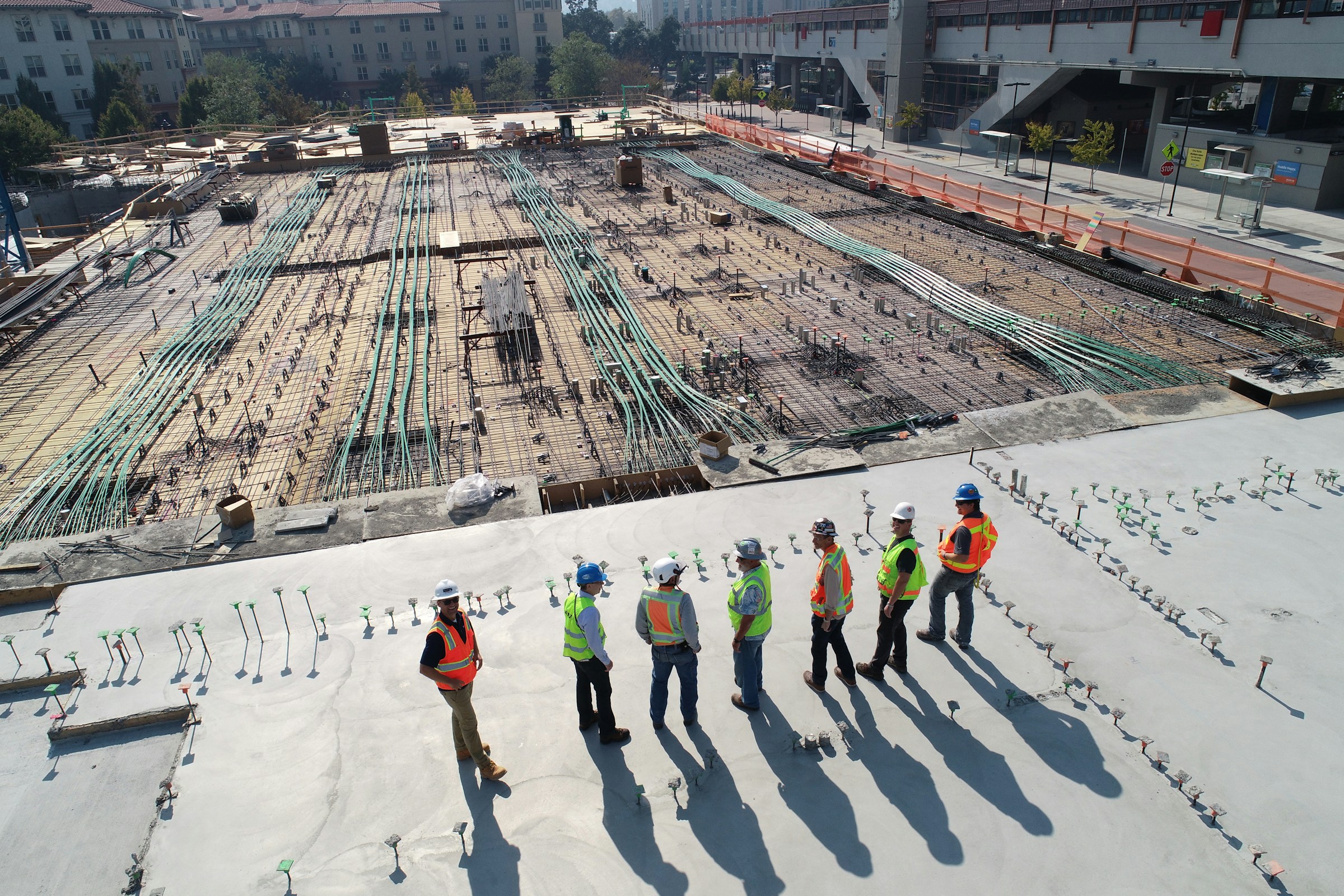
Accurate data assists engineering decisions after an earthquake. Our Structural Health Monitoring System (SHMS) provides floor-by-floor acceleration data, computed metrics such as inter-storey displacement and response spectra, and automated building status updates to support rapid, informed engineering assessments. This enables efficient triage of multiple buildings and prioritisation of inspections based on measured performance following a major seismic event.

Engineers

For Government & Councils

Earthquakes can disrupt entire communities, but rapid, informed decision-making dramatically improves safety and recovery. Our Structural Health Monitoring System (SHMS) gives councils and government agencies near real-time insight into building performance, helping identify which buildings are safe, which require inspection, and which pose a possible risk to the public.

Government & Councils

Ready to start using our Structural Health Monitoring System?